RODOGRAU Take Your Grau Further
Balance control, clutch cut timing, long wheelies, and recovery techniques for RODOGRAU 2.0.
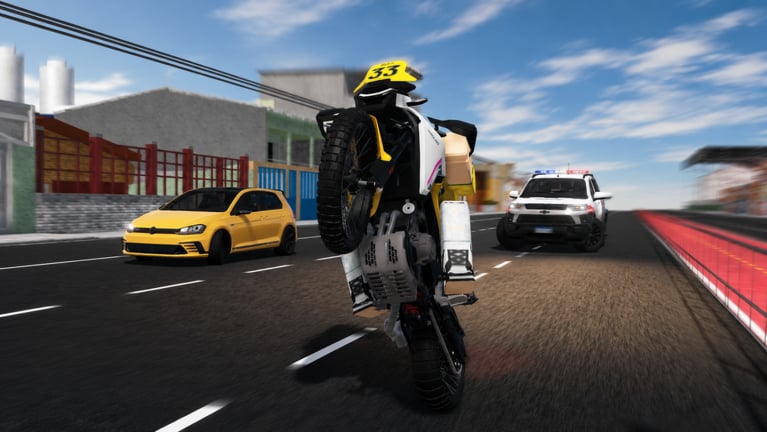
Welcome to the Advanced Grau and Clutch Cut Guide for RODOGRAU 2.0. Once you can lift the front wheel with T and hold a short wheelie, the next step is control: staying upright longer, cutting on the clutch in manual mode, recovering from tip-overs, and choosing the right bike for stunts. This page assumes you already know the basics from the Getting Started guide and want cleaner, longer, more intentional grau.
From Basic Wheelie to Controlled Grau
A basic wheelie is pressing T while rolling. Advanced grau is managing pitch, speed, and gear so the bike stays balanced instead of slamming down or looping over. Brazilian grau culture rewards smooth, long holds more than frantic bouncing. In RODOGRAU, that means reading how your motorcycle reacts in automatic versus manual transmission and practicing the same lines until the timing becomes muscle memory.
If you still fight the default bindings, review the Controls page before drilling clutch cuts. Clean inputs matter more than raw speed when you are learning to stay up.
Balance With A and D During Wheelie
While the front wheel is up, A and D are your primary balance tools. Think of them as micro-corrections, not hard turns:
- Small taps of A or D correct lean before the bike tips.
- Holding a direction too long usually rolls you into a tip-over.
- Combine gentle steering with throttle management—ease off W if the nose climbs too high, and add a touch of throttle if the front starts dropping early.
Practice on a straight, empty stretch so you can watch the horizon and feel the bike’s center of mass. Looking ahead helps more than staring at the front wheel. When you can hold a mid-height wheelie for several seconds with only light A/D taps, you are ready for longer grau and clutch work.
Speed Windows That Work
Every bike has a comfortable speed band for initiating and holding grau. Too slow and T barely lifts; too fast and the wheelie becomes violent and hard to catch.
Typical practice approach:
- Build to a moderate cruise—fast enough for lift, slow enough to correct.
- Press T once you are settled, not while still accelerating hard through a turn.
- After lift, modulate W so the rear wheel drives without looping.
- If you overshoot, release throttle briefly, correct with A/D, then reapply gently.
Highway straights and wide avenues are ideal for finding that window. Use the Map Guide to pick quiet practice spots such as open highway segments, the São Bernardo wheelie avenue, or empty side streets away from dense traffic. Once your speed window feels consistent on one bike, relearn it on the next—lighter bikes and depenada setups often lift earlier than heavy tourers.
Clutch Cut / Cutting on Clutch in Manual Mode
Clutch cut (cortar na embreagem) is the advanced technique many RODOGRAU players search for after they can hold a basic grau. Switch to manual with M, then use E (upshift) and Q (downshift) together with T while the bike is already up.
Why Manual Matters
Automatic mode handles gears for you and is fine for learning. Manual mode lets you change how power hits the rear wheel during a wheelie. A well-timed cut can stabilize a high grau, extend a long hold, or help you recover when the nose climbs too far. Community tutorials—including clutch-cut videos for RODOGRAU—focus on shifting while the motorcycle is already in the air rather than shifting only on the ground.
Timing Pattern to Drill
- Enter manual with M before you start the run.
- Get rolling in a gear that still has pull without maxing out instantly.
- Lift with T into a controlled mid wheelie.
- While balanced, tap Q or E at the moment you want to “cut”—usually when the bike wants to climb or when you need a power change to stay up.
- Keep correcting with light A / D and throttle; do not mash gears and steering at the same time.
Exact gear numbers differ by motorcycle. Treat the first sessions as experiments: note which gear you lift in, which shift settles the bike, and which shift loops you over. Record a private-server clip if you can so you can replay your timing.
Common Clutch-Cut Mistakes
- Shifting before the front wheel is stably up.
- Holding T and hammering gears without throttle control.
- Practicing only in crowded public servers where collisions break your rhythm.
- Switching back to automatic mid-drill and losing the feel for Q/E timing.
Long Grau Technique
A long grau is a sustained wheelie across a meaningful stretch of road. It combines a good speed window, calm A/D balance, and—when you are ready—manual clutch cuts to keep the bike in the sweet spot.
Tips for extending distance:
- Prefer straight roads with a clear sightline; curves demand more lean correction and end long holds early.
- Settle into a mid pitch rather than the highest possible angle. Extreme height looks flashy but is harder to sustain.
- Smooth throttle beats on/off spikes. Think of power as a dial, not a switch.
- Plan an exit: decide where you will bring the front wheel down before traffic or a junction forces a panic landing.
Group rides and comboios often showcase synchronized long grau on highways. Practice alone first so you can join those moments without weaving into other riders.
Recovering From Tip-Overs
Tip-overs happen when lean or pitch exceeds what A/D and throttle can save. Recovery is mostly about reset speed and mindset:
- After a fall, remount or respawn cleanly—do not mash T the instant you are back on the bike.
- Rebuild to your known speed window before the next attempt.
- If you keep looping forward, lower the entry speed or ease throttle sooner after lift.
- If you keep dropping early, add a bit more speed or hold T a fraction longer before micro-correcting.
- Take short breaks; fatigue makes A/D inputs heavier and less precise.
Private servers are the best place to spam recovery drills without griefing other players. Public servers are for demonstrating skills you already control.
Bike Choice for Stunts
Not every motorcycle is equal for advanced grau. Lighter, punchier bikes and well-stripped depenada builds often respond better to clutch cuts and long holds than heavy adventure machines in stock form. Use the Tier List to compare stunt-friendly options, then test candidates yourself—community rankings are a starting point, not a substitute for seat time.
Also consider how customization changes feel. Stripping fairings in the garage can lighten response; see the depenada guide if you want a more aggressive stunt setup. Pair bike choice with a practice route from the map guide so you are not learning clutch cut and a new layout at the same time.
Passenger tricks and montadinha play are separate skills. Master solo balance and clutch cut before you try to look stylish with a passenger or crowded group choreography.
Practice Spots Worth Using
Good advanced-grau practice needs space, visibility, and fewer collisions:
- Wide highway straights for long grau and speed-window drills.
- Dedicated wheelie avenues (such as areas highlighted in São Bernardo) for repeated mid-length holds.
- Quiet residential or industrial stretches for clutch-cut timing without constant traffic.
- Private servers when you need unlimited resets.
Cross-check landmarks and routes in the Map Guide so you can meet friends at the same spot for shared practice or casual comboio warm-ups.
Mobile Tips
RODOGRAU supports touch controls on mobile. Advanced clutch cut is harder on a phone because gear taps and balance share limited screen space, but you can still improve:
- Lower graphic settings or use /fps if the game stutters during wheelies.
- Practice balance-only long holds before adding frequent Q/E shifts.
- Consider a controller if your device supports one—physical buttons make manual timing more consistent.
- Avoid learning clutch cut on laggy public servers; delay turns a perfect shift into a tip-over.
Safety and Etiquette in Public Servers
Advanced stunts are part of the culture, but public servers are shared spaces:
- Do not block spawn areas or garage entrances while drilling.
- Leave room for other riders during highway grau; clipping someone mid-wheelie ruins both runs.
- Keep boombox volume reasonable if you ride with music—see the music IDs guide when you want tracks for a session.
- Save the riskiest clutch-cut experiments for private servers or empty roads.
- During organized comboios, follow the lead rider’s pace instead of cutting across the pack for a clip.
Respectful riding keeps servers fun and makes it more likely others will ride with you when you want to show a clean long grau.
Related Guides
- Getting Started — Basics, first wheelie, and core movement
- Controls — Full binding reference for PC and mobile
- Comboios & Group Rides — When to show advanced grau with others
- Montadinha — Passenger and pose-oriented riding
- Map Guide — Practice spots and route planning
- Tier List — Bikes that suit stunt-focused play
Advanced grau is a practice loop: find your speed window, calm the A/D corrections, add manual clutch cuts, extend the hold, and reset cleanly after mistakes. Stay patient, film your runs when you can, and build consistency before chasing the highest possible wheelie angle.
Frequently Asked Questions
Quick answers to the most common questions about RODOGRAU.
What is clutch cut (cortar na embreagem) in RODOGRAU?
Clutch cut means shifting in manual mode with Q/E while the bike is already in a wheelie, using gear changes plus throttle and T timing to stabilize or extend the grau. Switch to manual with M first.
Should I learn advanced grau in automatic or manual?
Learn basic lift and A/D balance in automatic if you prefer. Switch to manual when you are ready for clutch cut practice, because Q and E only matter for gear control in manual mode.
How do I stop tipping over during long wheelies?
Use lighter A/D taps, ease throttle when the nose climbs too high, and practice at a mid pitch instead of maximum height. Rebuild to a known speed window after every fall instead of spamming T immediately.
Where should I practice clutch cut?
Use wide highway straights, quiet avenues, or private servers. The Map Guide lists strong practice areas such as open rodovia segments and São Bernardo’s wheelie-friendly streets.
Which bikes are best for advanced stunts?
Lighter, responsive motorcycles and depenada setups generally feel better for long grau and clutch work. Compare options on the Tier List, then test a few bikes yourself because feel varies by rider.
Can I do clutch cut on mobile?
Yes, but timing is harder on touch controls. Stabilize balance first, reduce lag with /fps if needed, and consider a controller. Save precise Q/E drills for sessions with stable performance.
Is it okay to practice advanced grau in public comboios?
Demonstrate skills you already control, leave space for other riders, and avoid blocking the pack. Use private servers for experimental clutch-cut attempts that still tip you over often.